
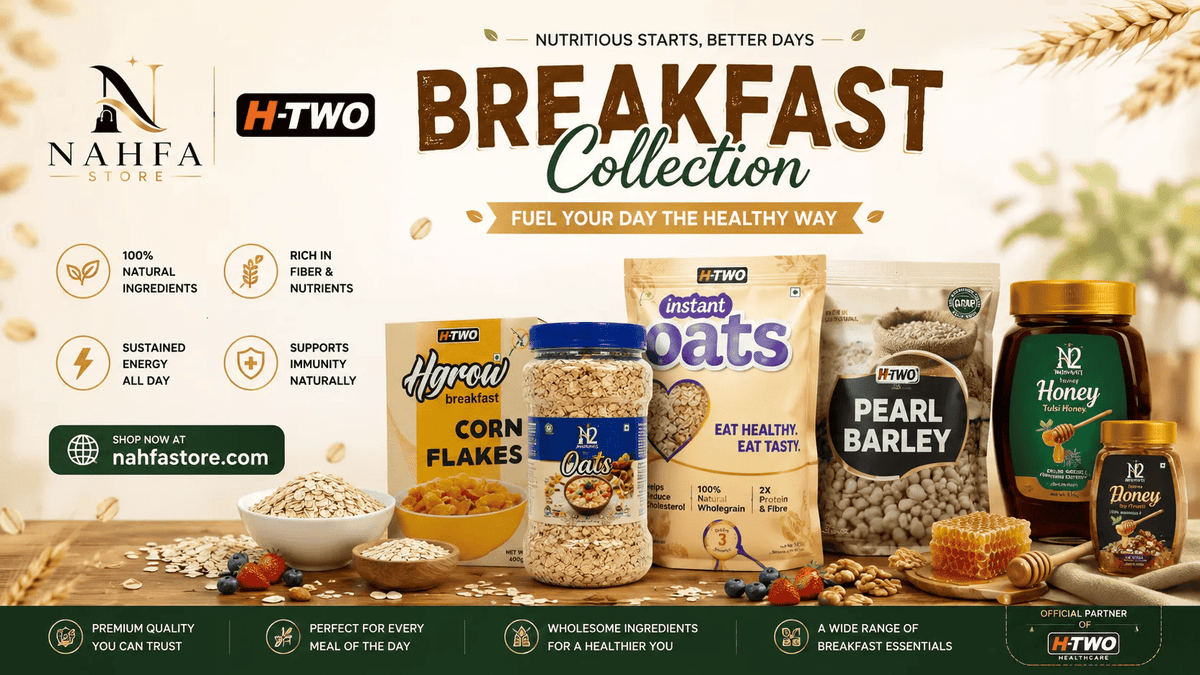
You can get a high protein breakfast without eggs from foods most Indian kitchens already stock: paneer, curd, dals and besan, milk, nuts and seeds. A moong dal chilla, a paneer bhurji, or a bowl of oats or barley porridge cooked in milk and topped with peanut butter will each give you a solid share of protein without any eggs.
The trick is to combine two or three protein sources in one meal rather than relying on a single food. Below are eight practical options, rough protein figures, and a simple weekly plan for families.
Why eggless breakfasts often fall short on protein
Most quick breakfasts in India are mainly carbohydrate: white bread, biscuits, poha, upma or sugary cereal. They are fine foods, but on their own they are low in protein, so hunger tends to return by mid-morning.
When eggs are off the table, because of preference, allergy, a vegetarian household or simply a child who refuses them, the fix is to add a dairy, dal or nut component to whatever you already cook.
8 high protein breakfast options without eggs
Protein figures below are approximate and vary by brand and portion. Check the nutrition panel on your packs for exact values.
1. Moong dal or besan chilla
Soaked and ground moong dal, or besan, makes a quick savoury pancake. Dry moong dal and besan both have roughly 20 to 24g of protein per 100g, so a two-chilla serving made from about 50g of dry dal or besan gives you around 10 to 12g. Add grated paneer or vegetables to the batter for more.
2. Paneer bhurji or paneer toast
Paneer has roughly 18 to 20g of protein per 100g on most pack labels. Crumble 50 to 75g with onion, tomato and jeera and serve with a roti or whole wheat toast. It takes about five minutes.
3. Hung curd or thick dahi with seeds
Strained (hung) curd has about twice the protein of regular dahi because much of the whey is removed. A bowl with a spoon of roasted pumpkin or sunflower seeds and a chopped date or two needs no cooking.
4. Oats cooked in milk with peanut butter
Plain oats have a moderate amount of protein. Cooking them in milk instead of water adds about 8g of protein per 250ml cup, and a tablespoon of peanut butter adds a few grams more along with fat that keeps you full. Sweeten with a little honey or a chopped date if needed.
5. Talbeena (Talbina) made with milk
Talbeena is a barley porridge from the Sunnah tradition. Barley itself gives some protein along with fibre, but most of the protein in a bowl comes from the milk you cook it in. Top it with a few almonds or walnuts and you have a warm, soft breakfast that works for children, adults and elders alike.
For men who train, our Talbina for men and gym-goers collection puts Milk and Almond Elaichi Talbeena next to peanut butter and HTWO's two gainers.
Flavoured mixes make it easier for children who resist plain porridge. HTWO Milk Talbeena blends barley with oats, dates, almonds, cashews and walnuts, and comes in 250g (₹299) and 350g (₹399) packs. It also contains rock sugar and honey, so factor that in if you are watching sugar.

6. Sprouts chaat
Sprouted moong or chana with onion, tomato, lemon and chaat masala is a cold, no-fuss option. Make a batch of sprouts on Sunday and keep them in the fridge for two or three days.
7. Chana or rajma leftovers with roti
In many homes, last night's chole or rajma with a fresh roti is the most protein-rich breakfast on offer. Cooked chickpeas and kidney beans give roughly 7 to 9g of protein per 100g. Hummus on whole wheat bread is a similar idea.
8. Milk smoothie with nuts and seeds
Blend a glass of milk with a banana, a few soaked almonds and a spoon of flaxseed or peanut butter. It takes three minutes and suits children who will not sit down to eat. Avoid sweetened flavoured powders; let the fruit do the sweetening.
How to build an eggless high protein breakfast: the stacking method
Instead of searching for one "protein food", stack three layers in every breakfast:
- A base: a whole grain or dal, such as oats, Talbeena, besan, moong dal or whole wheat roti.
- A protein booster: milk, paneer, curd, peanut butter, or a handful of nuts and seeds.
- A small extra: fruit, a date, or a little honey for taste.
For example: Talbeena cooked in milk (base plus booster) with crushed almonds and half a banana. Or a besan chilla with paneer stuffing and a bowl of curd on the side.
Approximate protein in common eggless breakfast foods
| Food | Typical portion | Approximate protein |
|---|---|---|
| Toned milk | 250ml cup | About 8g |
| Paneer | 50g | About 9 to 10g |
| Moong dal or besan (dry weight) | 50g | About 10 to 12g |
| Cooked chana or rajma | 100g | About 7 to 9g |
| Peanut butter | 1 tablespoon (16g) | About 4g |
| Rolled oats (dry) | 40g | About 5g |
| Regular dahi | 100g | About 3 to 4g |
Figures are rounded from typical Indian pack labels and vary by brand. Use your own pack labels for exact numbers.
A weekly eggless breakfast rotation for families
Variety is what keeps an eggless routine going. A simple plan:
- Monday and Thursday: Talbeena or oats cooked in milk, topped with nuts.
- Tuesday: Moong dal chilla with curd.
- Wednesday: Paneer toast or paneer bhurji with roti.
- Friday: Banana, milk and peanut butter smoothie.
- Weekend: Besan chilla, chana or sprouts chaat, when there is more time.
For more ready breakfast staples, browse our healthy breakfast foods. If you are planning protein for children, our guide to protein for kids covers age-wise needs.
Tips for different family members
- Children: smoothies, flavoured Talbeena and paneer toast tend to go down well. Never give honey to a baby under 12 months.
- Older adults: soft foods such as milk porridge, chilla and curd are easier to chew. Anyone with kidney disease should ask their doctor about protein intake.
- Fasting days: for suhoor, a milk-based porridge with nuts and a glass of water is a practical choice.
Frequently asked questions
What is a high protein breakfast without eggs in India?
Moong dal or besan chilla, paneer bhurji, hung curd with seeds, sprouts, and oats or Talbeena cooked in milk with nuts or peanut butter are all common eggless options.
How can vegetarians get 20g of protein at breakfast?
Combine sources. For example, two moong dal chillas (about 10 to 12g) with a bowl of curd and a glass of milk, or oats in milk with peanut butter and a small paneer toast.
Is Talbina a good source of protein?
Barley provides some protein, but Talbina is mainly a carbohydrate and fibre food. Cooking it in milk and adding nuts is what makes it a higher-protein breakfast.
Are protein powders needed for an eggless breakfast?
Not for most people. Dairy, dals, nuts and seeds can cover breakfast protein well. If you are thinking about a powder for a specific need, check with a doctor or dietitian first.
If a powder does suit you, compare the protein source and the Halal mark on the label. Our halal protein range lists HTWO formulas for women, kids and seniors.
What is a quick eggless breakfast for school mornings?
A milk smoothie with banana and peanut butter, or a ready barley porridge mix cooked in milk, both take under ten minutes.



0 comments