
Most children in India can get the protein they need from ordinary home food: milk and curd, dal and chana, paneer, eggs if your family eats them, nuts and seeds, and whole grains such as wheat and barley. A protein powder is only worth considering when a child's meals regularly fall short, and that is a decision best made with your paediatrician.
This guide explains roughly how much protein children need, which everyday foods supply it, and how to tell whether a supplement makes sense for your family.
How much protein does a child need per day?
The Indian Council of Medical Research and National Institute of Nutrition (ICMR-NIN) publish recommended daily allowances for Indian children. As a rough guide from the 2020 recommendations:
| Age | Approximate protein per day |
|---|---|
| 1 to 3 years | About 12 to 13g |
| 4 to 6 years | About 16g |
| 7 to 9 years | About 23g |
| 10 to 12 years | About 32 to 33g |
Needs rise further in the teenage years and depend on body weight and activity. If you are worried about your child's growth or appetite, your paediatrician can check weight and height against growth charts and tell you whether there is a real gap.
Protein foods for children in India
The numbers above are easier to reach than many parents expect. Approximate protein in common portions:
- One glass (200ml) of milk: about 6 to 7g
- One katori of cooked dal: about 6 to 9g, depending on thickness
- One katori of curd: about 5 to 6g
- 30g of paneer: about 5 to 6g
- One egg: about 6g
- One tablespoon of peanut butter: about 4g
- Two rotis: about 5 to 6g
- A small handful of roasted chana or peanuts: about 4 to 5g
A school-age child who has milk at breakfast, dal and roti at lunch, a curd or paneer snack and a normal dinner is usually well covered. Combining cereals with pulses, as in dal-chawal or khichdi, also improves the overall quality of vegetarian protein.
Simple ways to add protein to a child's day
Breakfast
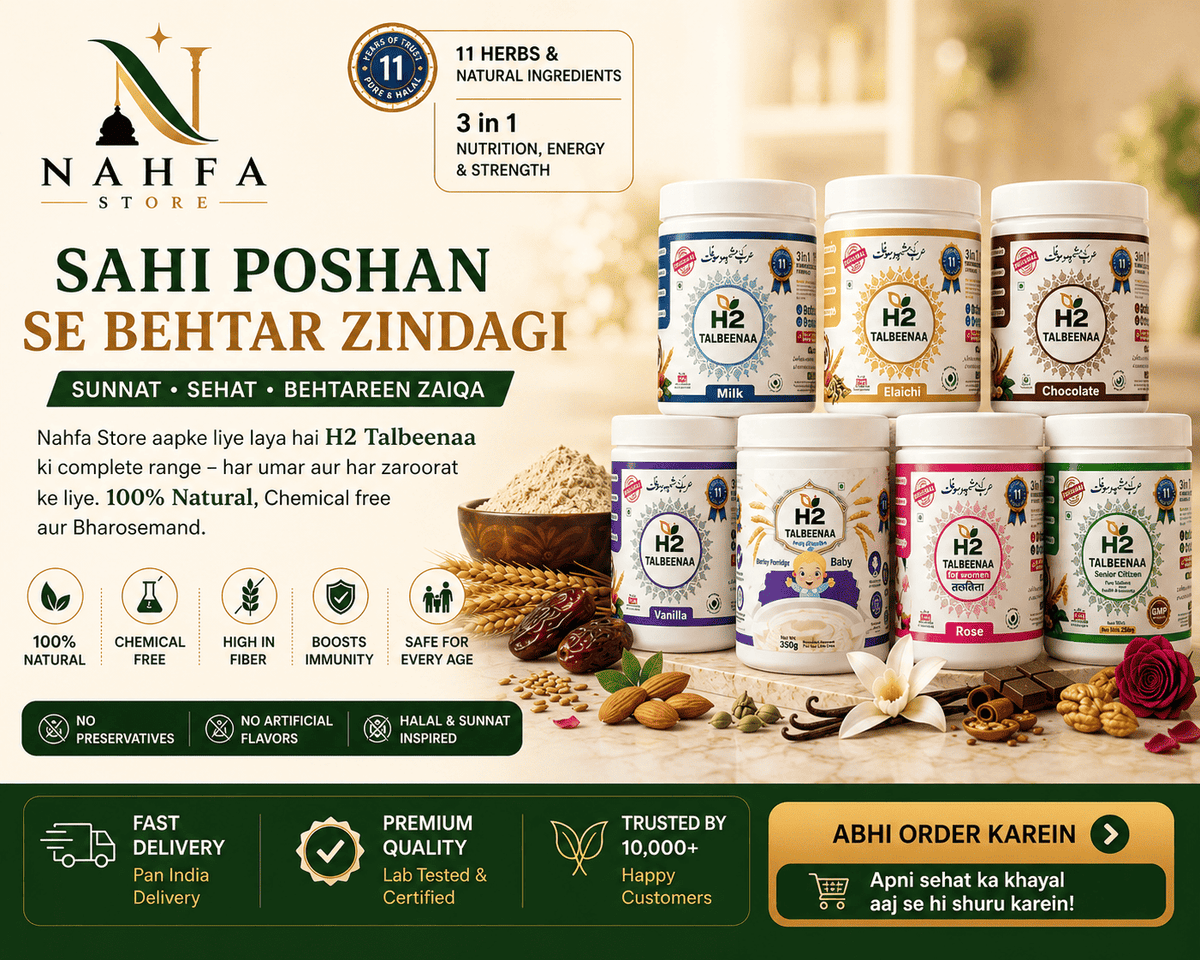
Cook porridge in milk rather than water. A bowl of barley Talbeena (Talbina) made with milk gives grain plus milk protein in one dish, and many children like the sweeter blends. Milk Talbeena is made with barley, oats, dry dates, almonds, cashews and walnuts. Stuffed parathas with paneer, besan chilla, and peanut butter on toast are other easy options.
Tiffin and snacks
Roasted chana, sprouts chaat, a paneer roll, curd with fruit, or a small handful of nuts for children old enough to eat them safely. Whole nuts are a choking risk for young children, so grind or chop them for under-fives.
Lunch and dinner
Keep a pulse or dairy item at most meals: rajma, chole, moong dal, egg curry, paneer bhurji or raita. Small amounts at each meal work better than one large serving.

Traditional foods many Muslim families already use
Barley, dates, milk and honey are foods many Muslim households keep at home and associate with the Sunnah. They fit easily into a child's routine: barley porridge for breakfast, dates with milk after school, and a teaspoon of honey stirred into curd. Talbina is mentioned in Sahih al-Bukhari 5689 as a food Aisha (RA) used to recommend for the sick and the grieving.
These foods add variety and some protein, but no single food covers a child's needs on its own. Barley and dates are mainly carbohydrate, and honey is mainly sugar. Never give honey to a baby under 12 months because of the risk of infant botulism.
Is protein powder safe for kids?
Most healthy children who eat regular meals do not need protein powder. It may be useful for a fussy eater going through a long phase of refusing dal and dairy, a child with a small appetite, or a family with very irregular meal times. Even then, it should sit alongside food, not replace it.
Before you start one:
- Speak to your paediatrician, especially if your child has a medical condition, allergies or is underweight.
- Choose a product made for children and follow the age range and serving size on the label.
- Check the FSSAI licence number, ingredient list, allergens (milk, soy, nuts) and added sugar.
- Do not combine several fortified powders unless a doctor has advised it.
Nahfa Store stocks HTWO Kids Protein (₹299) and other children's nutrition products in our kids range. Read the label on each product page before buying. For breakfast ideas built around barley porridge, see our guide to Talbina for kids.
Signs it is worth checking with a doctor
- Your child is not gaining weight or height as expected at check-ups.
- Very low appetite for several weeks.
- Frequent tiredness, or a very limited list of foods your child will eat.
- A vegetarian child who also avoids dairy and pulses.
Frequently asked questions
Which food has the most protein for kids?
Among everyday Indian foods, paneer, eggs, dals and chana, milk and curd, and peanuts are good sources. Variety across the day matters more than any single food.
Can my child get enough protein on a vegetarian diet?
Yes, in most cases, if meals include dairy and pulses regularly and combine grains with dal. Speak to your paediatrician if your child also avoids dairy.
At what age can children have protein powder?
Follow the age range printed on the specific product and check with your paediatrician first. Most young children do not need one.
Is Talbeena a good source of protein for kids?
Talbeena is mainly a barley grain porridge, so it is mostly carbohydrate and fibre with some protein. Cooking it in milk and adding chopped nuts increases the protein in the bowl.


0 comments