

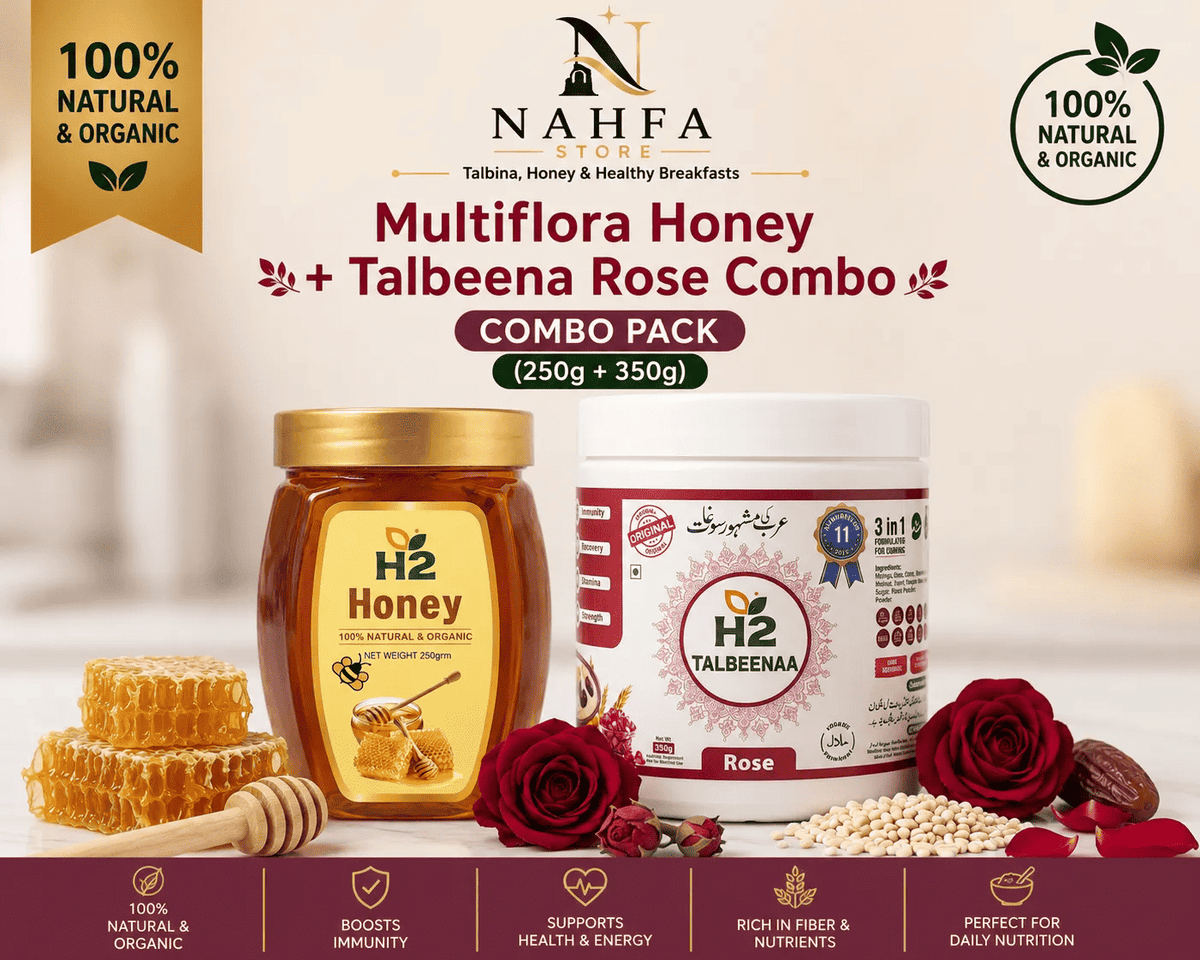
In our quest for healthier breakfast options, one aspect that often comes into focus is the choice between natural sweeteners and refined sugar. If you're navigating the world of breakfast foods and aiming to make more informed decisions, understanding the difference between natural and artificial ingredients can significantly impact your health and wellness journey.
Table of Contents
- Table of Contents
- Natural Ingredients vs Artificial Flavours
- Understanding Food Labels
- Natural Honey vs Store-Bought Honey
- The Sunnah Perspective: Talbina
- Benefits of Whole Grain Muesli
- Summary: Choosing Natural Over Artificial
- FAQs
Natural Ingredients vs Artificial Flavours
Incorporating natural ingredients into your breakfast offers numerous benefits over artificial flavours. Natural products like honey and talbina not only provide sweetness but also come packed with nutrients that refined sugars lack. These options are traditionally valued for their potential to support energy levels and overall wellbeing.
Understanding Food Labels
Learning how to read food labels is crucial in identifying hidden additives and artificial flavours side effects. When examining breakfast cereals, look for preservative-free products and steer clear of ingredients such as high-fructose corn syrup, artificial sweeteners, and refined carbohydrates. Opt for chemical-free alternatives that prioritize clean label transparency.
Natural Honey vs Store-Bought Honey

When it comes to honey, natural honey offers a richer profile compared to store-bought, often adulterated options. Natural honey may support metabolism and is traditionally used as a natural remedy, making it a preferable choice over refined sugar substitutes.
The Sunnah Perspective: Talbina
Talbina, a barley-based food, is a Sunnah-inspired alternative that beats many processed breakfast bars. It provides natural energy and nourishment, aligning with the tradition of wholesome eating. For more insights, explore why Senior Talbina Beats Processed Bars for Natural Energy.
Benefits of Whole Grain Muesli

Switching to whole grain, natural muesli without added sugar can redefine your breakfast experience. These mueslis support digestion and keep you fuller longer, devoid of the hidden sugars and preservatives found in many commercial cereals. It's a step towards embracing clean, nutritive breakfast choices.
Summary: Choosing Natural Over Artificial
In conclusion, when choosing your breakfast foods, consider the long-term benefits of opting for natural over artificial. From honey's beneficial properties to talbina’s wholesome appeal, the focus on natural ingredients upholds a lifestyle of transparency and wellness.
For further exploration of Nahfa's offerings, visit Nahfa Store for a range of products that embody the essence of natural, clean-label foods.
Embrace a healthier start to your day, one natural choice at a time.
FAQs
What are natural sweeteners?
Natural sweeteners are derived from natural sources like plants, fruits, and honey without undergoing extensive processing. Examples include honey, maple syrup, agave nectar, and stevia.
How do natural sweeteners differ from refined sugar?
Natural sweeteners often retain more nutrients and have a lower glycemic index compared to refined sugar. Refined sugar is highly processed and typically offers empty calories without any nutritional benefits.
Are natural sweeteners healthier than refined sugar?
While natural sweeteners may provide some nutritional benefits, moderation is key. They can still impact blood sugar levels. It's essential to choose sweeteners mindfully and consider the overall quality of your diet.
Can natural sweeteners be used in breakfast recipes?
Absolutely! Natural sweeteners can enhance the flavor of breakfast dishes like oatmeal, smoothies, pancakes, and yogurt, providing a healthier alternative to refined sugar.
What are some healthy breakfast options using natural sweeteners?
Healthy breakfast options include oatmeal topped with honey, smoothies with agave nectar, pancakes sweetened with maple syrup, or yogurt drizzled with natural fruit syrups.
Do natural sweeteners have fewer calories than refined sugar?
Not necessarily. Some natural sweeteners, like honey and maple syrup, can have similar or even higher calorie counts compared to refined sugar. However, they may provide additional nutrients.
Can natural sweeteners affect my weight loss goals?
Using natural sweeteners in moderation can support weight loss goals. However, overconsumption of any sweetener can hinder progress, so it’s important to pay attention to portion sizes.
Are there any drawbacks to using natural sweeteners?
Some natural sweeteners can have unique flavors that may not appeal to everyone. Additionally, certain types may still cause spikes in blood sugar levels, so it’s crucial to monitor your intake and choose wisely.
What should I consider when choosing a sweetener for breakfast?
Consider your taste preferences, health goals, and any dietary restrictions. It’s wise to read labels and choose less processed options that align with a balanced diet.
0 comments